

Small Groups In The Elementary Classroom: Part Two: How I Created a Small Group Time That Works!
How I Created a Small Group Time In My Classroom That Works!
The first time I implemented Small Groups, I was not completely happy with the results. I liked my teacher group, but the other groups were often off-task and interrupted me when I was with my teacher group.
I was also scrambling to create new activities specifically for Small Groups, which became overwhelming with the normal amount of planning that I already had to complete.
Finally, I wasn’t satisfied that every group contained meaningful activities that were helping students progress and advance through the year’s curriculum.
These realizations led me to sit in my classroom after school one day, picturing Small Groups, taking notes, and deciding what I really wanted to happen in our Small Group Time.
I knew that I wanted students to participate in differentiated, meaningful activities in each group. I also wanted students to take ownership of their learning, so I could lead my teacher group without constant interruptions.
Lastly, I wanted to have a system in place that I could use to monitor students’ progress to make sure they were on track to meet their learning goals.
I wanted to accomplish all of the above without feeling like I was planning for two classrooms…
This meant I needed to start again from the ground up. I made a list of the categories I planned to focus on to create the kind of Small Group Time that would truly make a difference in our classroom.
Classroom Layout
Expectations and Procedures
The Number of Groups and the Activities In Each Group
Assessments & Record Keeping
Classroom Layout
The first time I implemented Small Groups, two of the groups were too close together. This led to the students moving between groups and getting off task.
I spent some time after school rearranging the furniture to create well-defined spaces for each group. I also made sure that there was just enough space for the number of students that were in each group. I took away extra furniture so students were not able to move over to another group.
Classroom Expectations and Procedures
The next category that I tackled was classroom expectations and procedures specifically for Small Group Time. I had taught expectations and procedures at the beginning of the year, but I realized I did not spend enough time on this specifically for Small Groups.
I chose two-three expectations and procedures, such as what to do when you are finished, how to work with a partner, and the bathroom procedure we would use. I ended up changing our bathroom procedure so that it supported our Small Group Time and didn’t cause interruptions.
I decided I would teach Small Group Expectations and Procedures just like a lesson. We spent time holding class discussions and practicing what each expectation and procedure looked like and sounded like. We repeated this process until I was sure students knew exactly what was expected.
The Number of Groups and the Activities In Each Group
As I proceeded through this process, I realized I had too many groups. I began with four groups, and I made the determination that there were too many groups to plan for and not enough space for them in the classroom.
Part of the reason some of the groups were getting off-task was that the groups were too close together. It was too easy for the students to start talking across the room to other groups, which made Small Group Time too noisy and chaotic.
I settled on three groups. It was easier to plan for three groups instead of four, and I was able to space the groups out across the room. Then, if students started to talk across the room to each other, I noticed immediately and addressed it.
Assessments and Record Keeping
The final category I revamped was record-keeping and assessments. I found ways to streamline the process, so it didn’t become an extra time-consuming burden, and I was able to monitor students’ progress easily.
I implemented procedures that enabled students to assist with the assessment process, and I created self-grading assessments that gave the students and me immediate feedback. I took this feedback and used it to create mini-lessons to help counter any misconceptions the students might be experiencing.
Conclusion
It took a bit of time to create and implement Small Groups that provided meaningful, differentiated learning experiences for my students, but once our Small Groups were in place, it was amazing!
My students began asking, “Are we having Small Groups today?... Yes? Yay!” I noticed a big difference in their collaborative skills, how they took ownership of their own learning, and the progress each student made towards their personal learning goals.
As a teacher, it was so much fun working with students in a Small Group and having the opportunity to really listen to their questions and explanations of their work.
At the end of the day, it was such a relief to be able to let go of the criticisms that teachers so often hear, because I knew I had a system in place that helped my students succeed.
Ready to Build Small Groups That Actually Work?
If you've ever felt like your Small Groups create more interruptions than learning, you're not alone.
That's exactly why I created the Small Groups Blueprint.
Inside, I walk you through the complete system I developed after years of refining my own classroom, including:
✔ Classroom layout that supports independent learning
✔ Expectations and procedures that reduce interruptions
✔ How to organize meaningful group activities
✔ Assessments and record-keeping systems
✔ Planning strategies that don't feel like planning for two classrooms
Instead of piecing everything together on your own, you'll have a step-by-step roadmap you can implement in your own classroom.
→ Learn More About the Small Groups Blueprint
Continue Learning About Small Groups
Why Use Small Groups in the Elementary Classroom?
Learn how Small Groups improve differentiation, student engagement, and academic growth.
Keep Building Your Classroom
I'm Getting Ready for Back-to-School
FREE Back-to-School Toolkit
Get organized before the first day with a Classroom Setup Checklist, Parent Communication Log, and 4-Step Classroom Routines Guide.
I Want My Classroom to Run More Smoothly
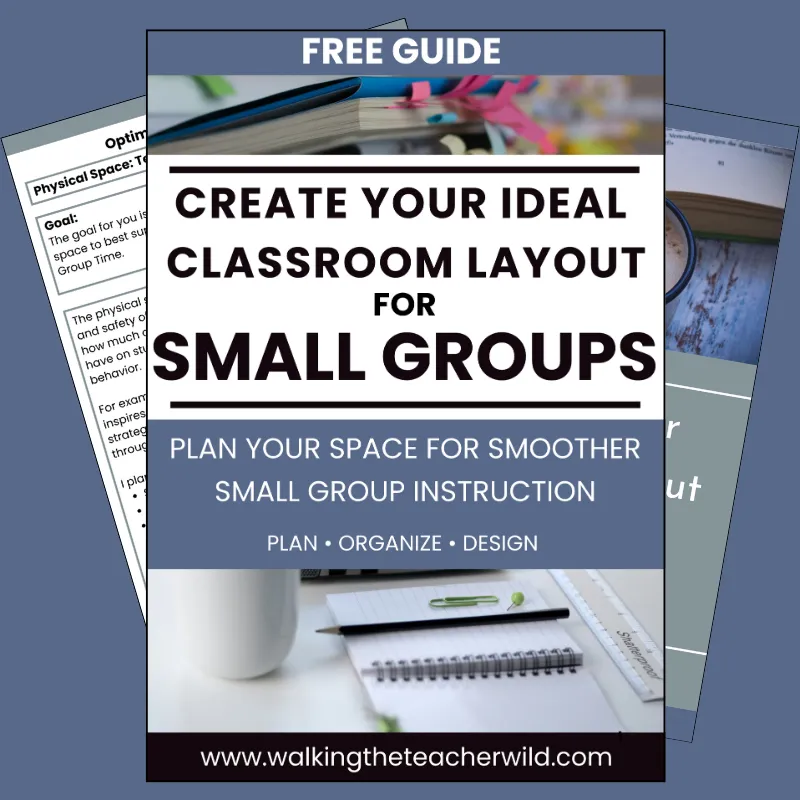
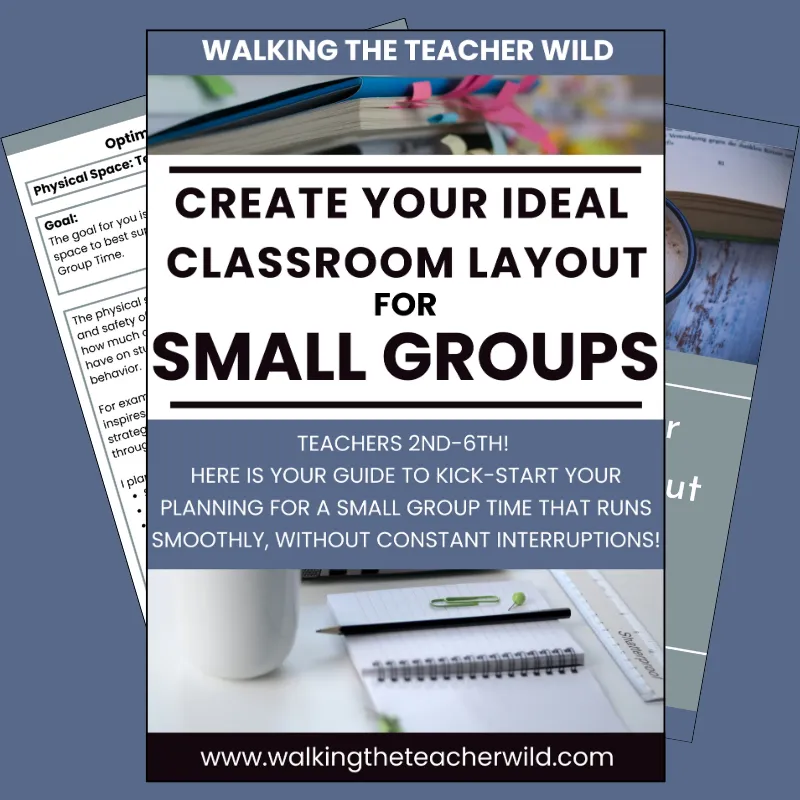
Free Classroom Layout Guide
Learn simple classroom setup strategies that support smoother routines, stronger classroom management, and more successful small groups.
I Want to Stay Organized All Year
Academic Planner & Organizer
Keep lesson plans, student data, parent communication, behavior notes, meetings, and small groups organized in one printable planner.
I Want Better Small Groups
Small Groups Blueprint
Learn my complete step-by-step system for planning, organizing, and running successful small groups with fewer interruptions.
I Need More Math Practice
Math Facts Board Games Bundle
Hands-on board games that make math fact practice engaging and build fluency through repeated play.
Math Facts Card Games Bundle
Easy-prep card games students enjoy while building addition, subtraction, multiplication, and division fluency.
I'm Looking for More Free Teaching Ideas
Visit the blog for classroom organization, classroom management, small groups, behavior strategies, educational technology, and free resources.